


“Humans are unitaskers,” declares Kath Korevec, Director of Product at Google Labs. We’re building agents that wait to be asked, that sit idle in chat windows, that force us to context-switch and craft perfect prompts. We’re still doing the emotional labor of reminding it what to do. Her work on Jules, Google’s autonomous coding agent, is about reducing mental load.
Korevec outlines four pillars of proactive systems: observation (understanding what you’re working on), timely action (knowing when to step in), personalization (learning how you work and what you ignore), and seamless integration. “Imagine when compute isn’t a limiting agent at all.” Agents that function like Nest thermostats learning your patterns—collaborators who know when you need help before you ask.
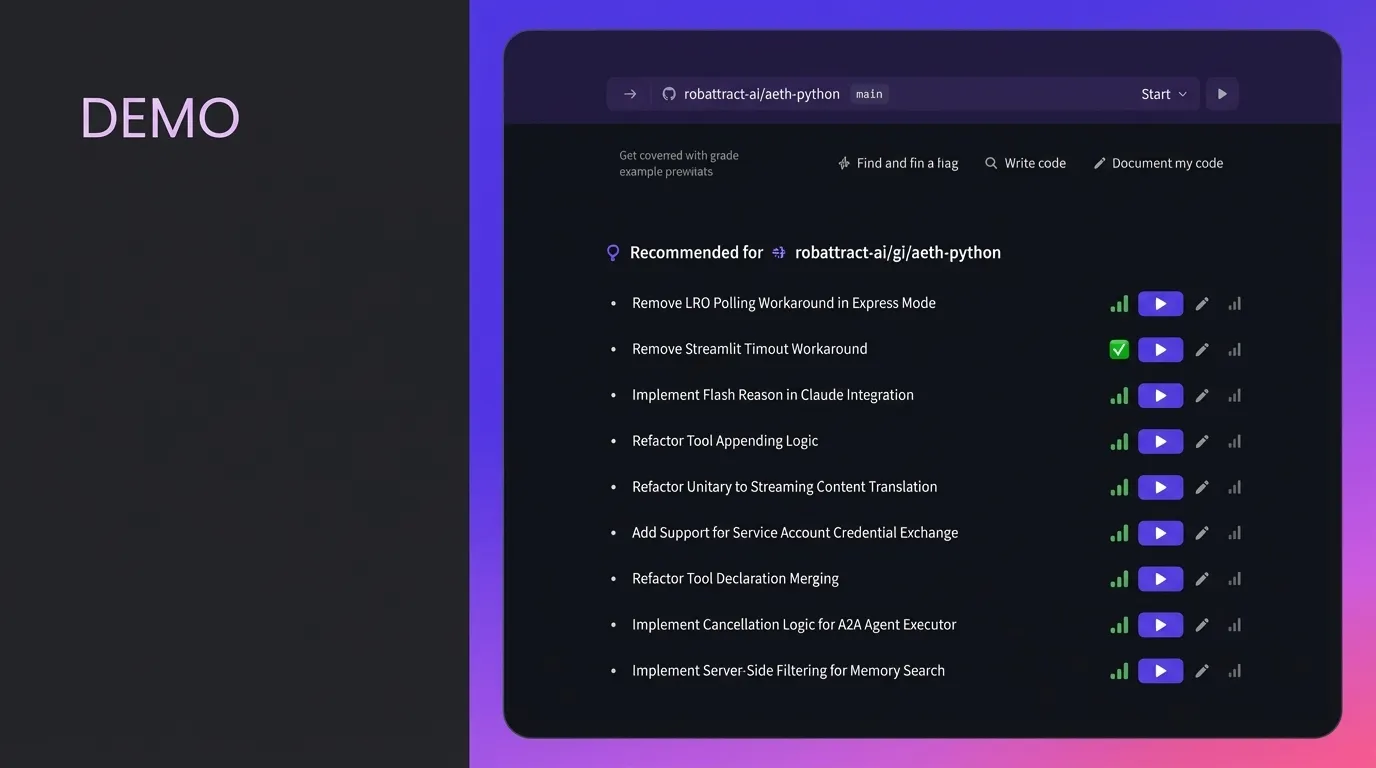
Jules surfaces suggested tasks and comes up with the prompts itself. “It gives context of the code and also rationale on what to do.” When Korevec built a six-foot animatronic head for Halloween, the workflow was “prompt, ten minutes, repeat—tedious.” Jules changed that. She focused on creative decisions; it handled implementation and suggested next steps.
Steve Yegge: “If you are still using an IDE by Jan 1st you are a bad engineer.” He argued for abandoning the “diver window” metaphor—giving one agent a bigger context window and sending it deep—in favor of ant-like swarms working in parallel.
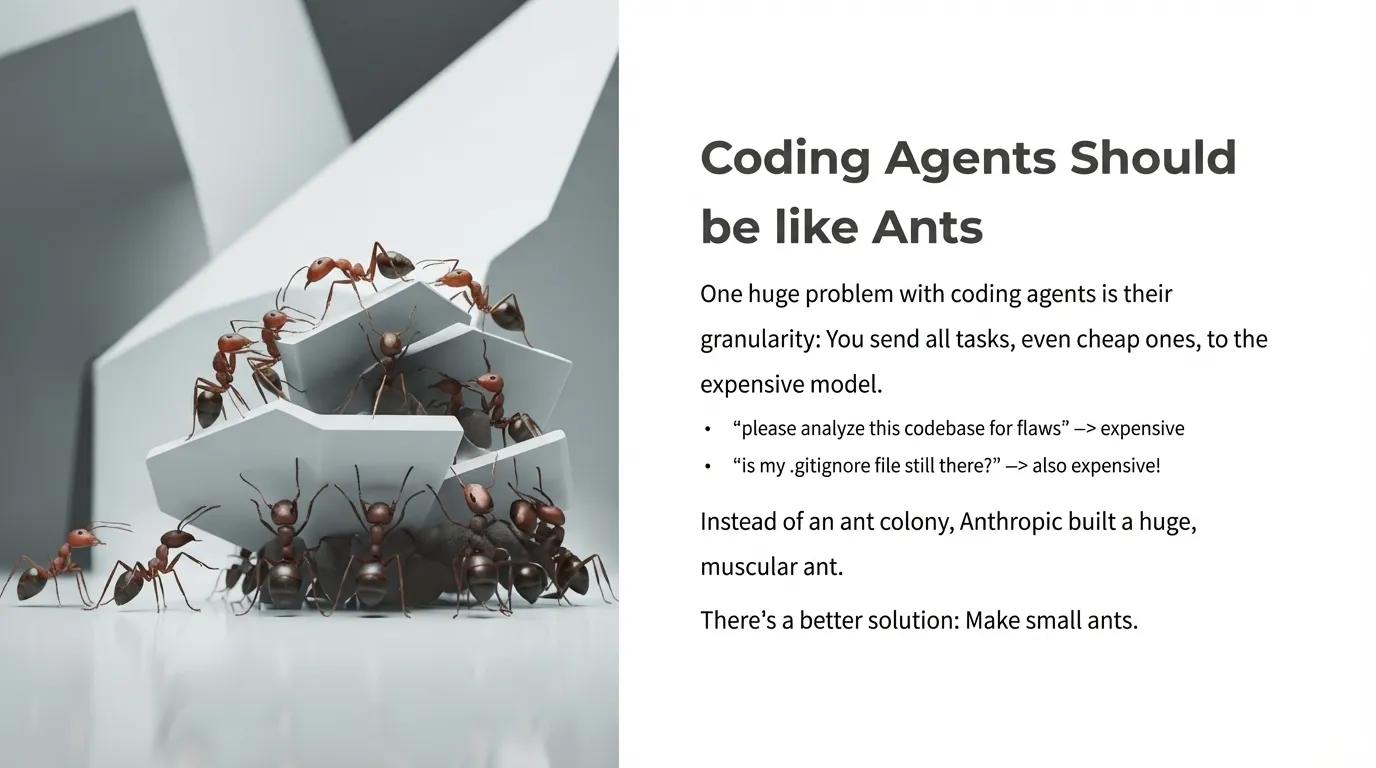
“One huge problem with coding agents is their granularity,” Yegge explained. “You send all tasks, even cheap ones, to the expensive model.” Asking to analyze a codebase for flaws? Expensive. Checking if a .gitignore file exists? Also expensive. “Instead of an ant colony, Anthropic built a huge, muscular ant.” His solution: make small ants. Route tasks to appropriately-sized models.
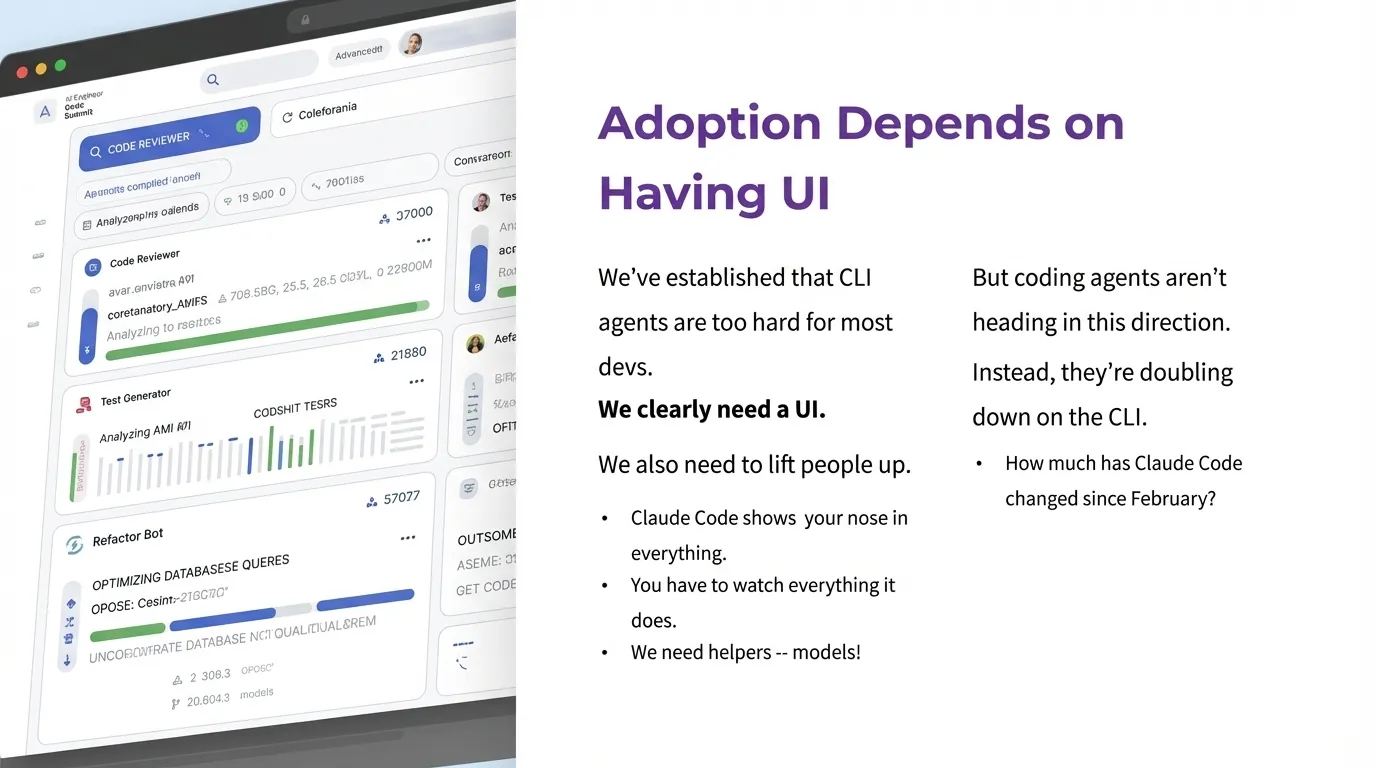
His critique of Claude Code (“I use it 14 hours a day” but “ain’t it”) highlights the same problem: cognitive overhead. Power tools that require constant supervision. “What damage can we do with untrained people? You can cut your foot off.”
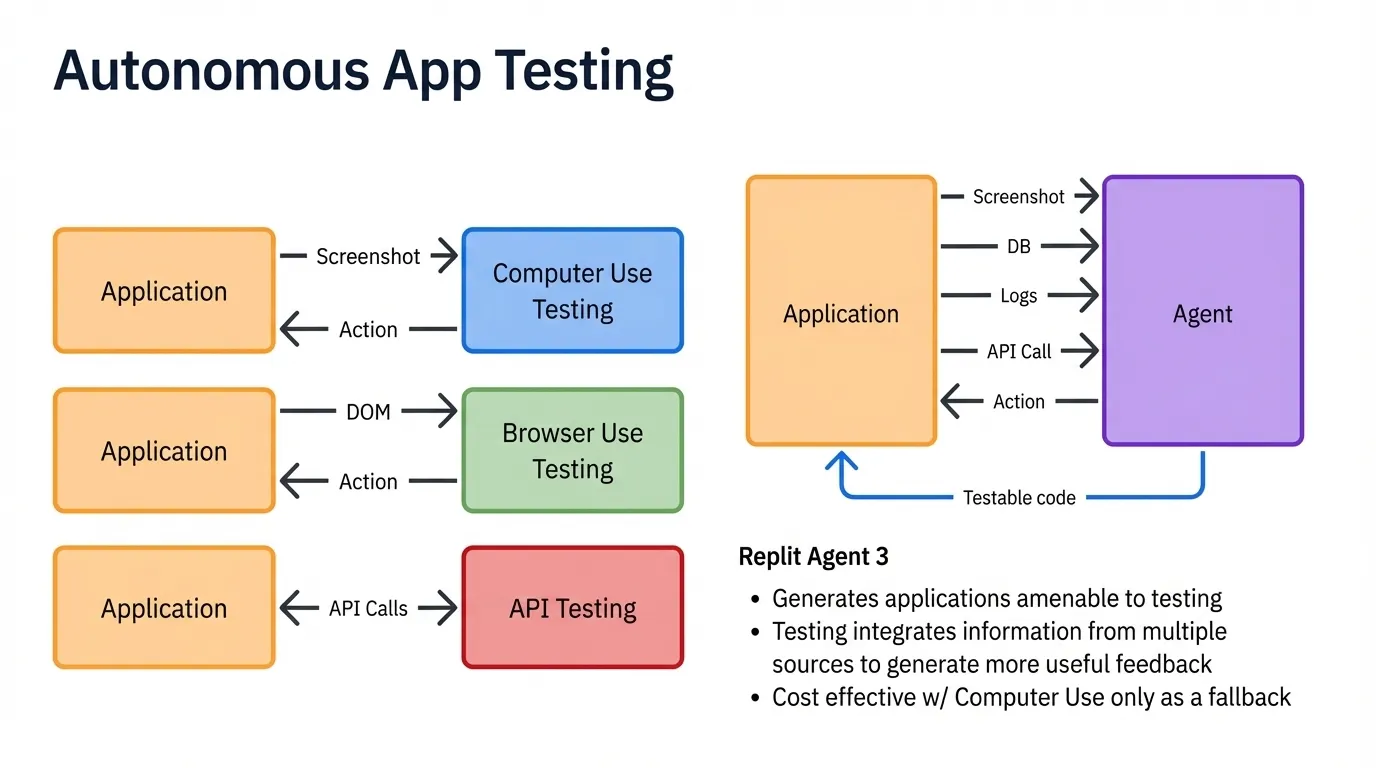
Replit’s Michele Catasta frames this as maximizing “the irreducible runtime of the agent”—giving agents specific scope where they make all technical decisions while users control what they care about. Think about the “completeness” of the task they handle, not individual aspects. Catasta’s team found that 30% of features shipped by Replit Agent were broken because “users don’t want to spend time doing testing.” The solution: autonomous testing that breaks the feedback bottleneck.
The Browser Company’s Samir Mody integrated a prompt editor directly into dev builds, achieving “10x the speed of ideating and iterating.” But we’re “in the early days of model behavior” as a craft. The shift from functional to agentic behavior requires new disciplines: behavior design, measurement, model steering. Treating how AI acts as seriously as how it performs.
Korevec: “The patterns of how we use an IDE right now might not exist at all next year.” She’s not suggesting we abandon control—“don’t be afraid to question the new ways of building software.” The proactive agent future is about AI removing the mental overhead of coordination, context management, and task sequencing that fragments developer attention.